Applied Anatomy of the Breast: A Simple Guide for Women
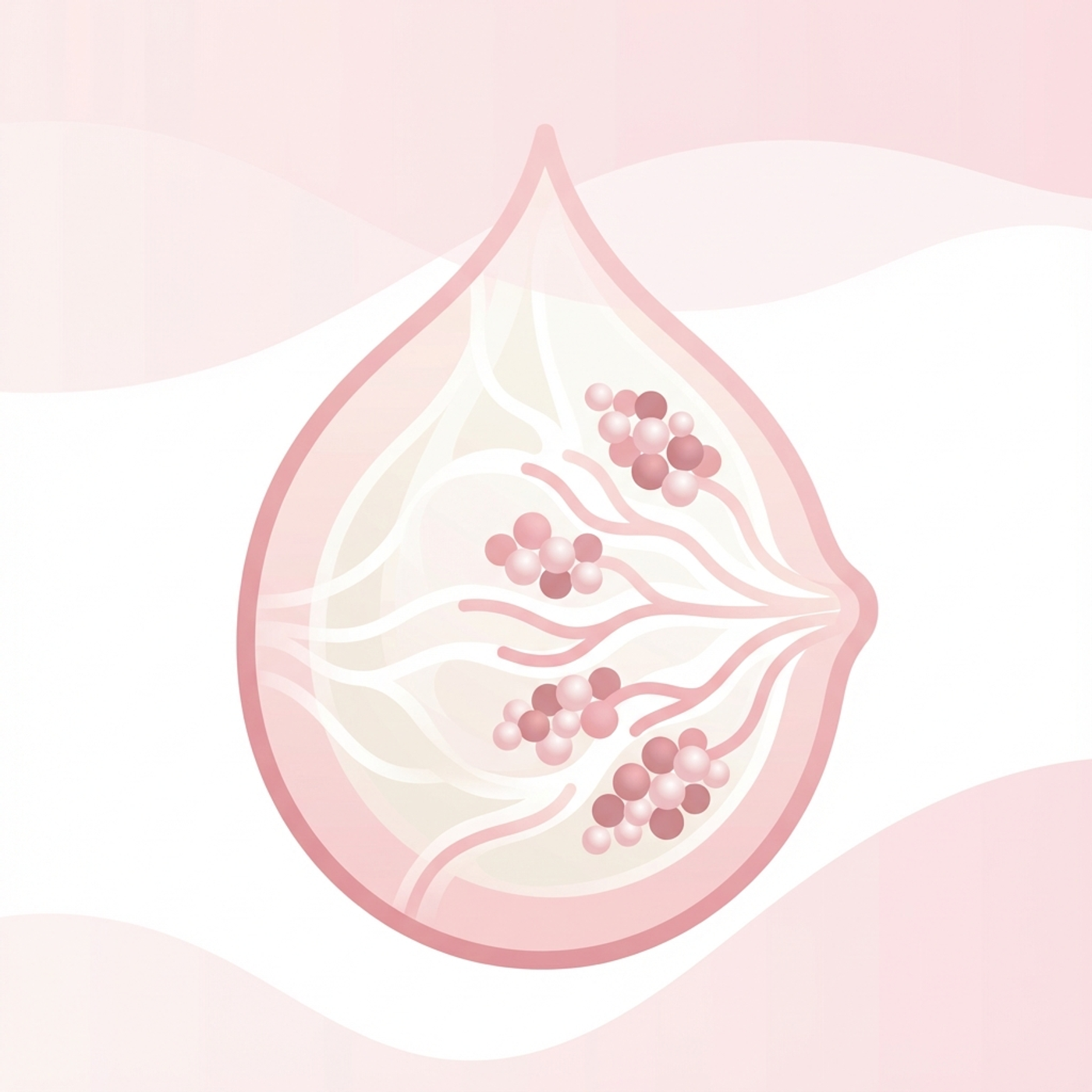
To take the best care of your breasts, it helps to understand what’s going on inside. The breast is not just a mound of tissue; it is a complex, functional gland designed for producing milk, but it’s also sensitive to hormonal changes throughout your life.
This guide breaks down the anatomy of the breast in simple terms, explaining the “why” behind common things like breast pain, sagging, and lumps.
The Basic Structure
The female breast sits on top of the pectoralis major muscle (chest muscle) and extends from the collarbone down to the lower ribs, and from the breastbone out to the armpit.
It is made up of three main types of tissue:
- Glandular Tissue: The milk-producing part (lobes and ducts).
- Fibrous Tissue: The supportive structure (ligaments).
- Fatty (Adipose) Tissue: Fills the spaces between the glandular and fibrous tissue. This determines the size of the breast.
1. Lobes and Ducts (The Milk System)
- Lobes: Each breast has 15-20 sections called lobes, arranged like the petals of a daisy. Inside these lobes are smaller lobules where milk is produced.
- Ducts: Thin tubes that carry milk from the lobules to the nipple.
- Why it matters: Most breast cancers start in the ducts (Ductal Carcinoma) or the lobules (Lobular Carcinoma).
2. Cooper’s Ligaments (The Support System)
These are bands of tough, fibrous connective tissue that run through the breast and attach to the skin and muscles. They act like a natural bra, holding the breast up.
- Why it matters: Over time, gravity and age can stretch these ligaments, leading to sagging (ptosis). Wearing a supportive bra helps reduce the strain on them.
3. The Nipple and Areola
- Nipple: The tip of the breast where milk ducts end. It has many nerve endings, making it sensitive.
- Areola: The dark circle of skin around the nipple. It contains Montgomery’s glands, which secrete oil to lubricate the nipple during breastfeeding.
The Lymphatic System: The Drainage Network
This is perhaps the most important part for breast health monitoring. The breast has a network of lymphatic vessels that drain clear fluid (lymph) from the breast tissue into lymph nodes.
- Axillary Nodes: Most of the lymph drains into nodes under the armpit (axilla).
- Why it matters: If breast cancer spreads, it usually travels to these lymph nodes first. That’s why doctors check your armpits during a breast exam.
Hormones and Your Breasts
Your breasts are constantly reacting to hormones, specifically Estrogen and Progesterone.
- Menstrual Cycle: Before your period, progesterone levels rise, causing the milk glands to swell. This is why breasts can feel heavy, lumpy, or tender (PMS).
- Pregnancy: Hormones prepare the breast for lactation, causing significant growth and darkening of the areola.
- Menopause: Estrogen levels drop, and glandular tissue is replaced by fat. This makes breasts softer and less dense (easier to read on a mammogram!).
Conclusion
Understanding your anatomy empowers you. When you feel a lumpiness before your period, you know it’s likely just your glandular tissue responding to hormones. When you wear a sports bra, you know you’re protecting your Cooper’s ligaments.
[!TIP] > Want to improve tone? While you can’t change the breast tissue itself, you can strengthen the pectoral muscles underneath. Check out our Natural Breast Enhancement Exercises.
Return to the main guide: Breast Care Tips