hero

Make IVF and IUI more effective with HSG

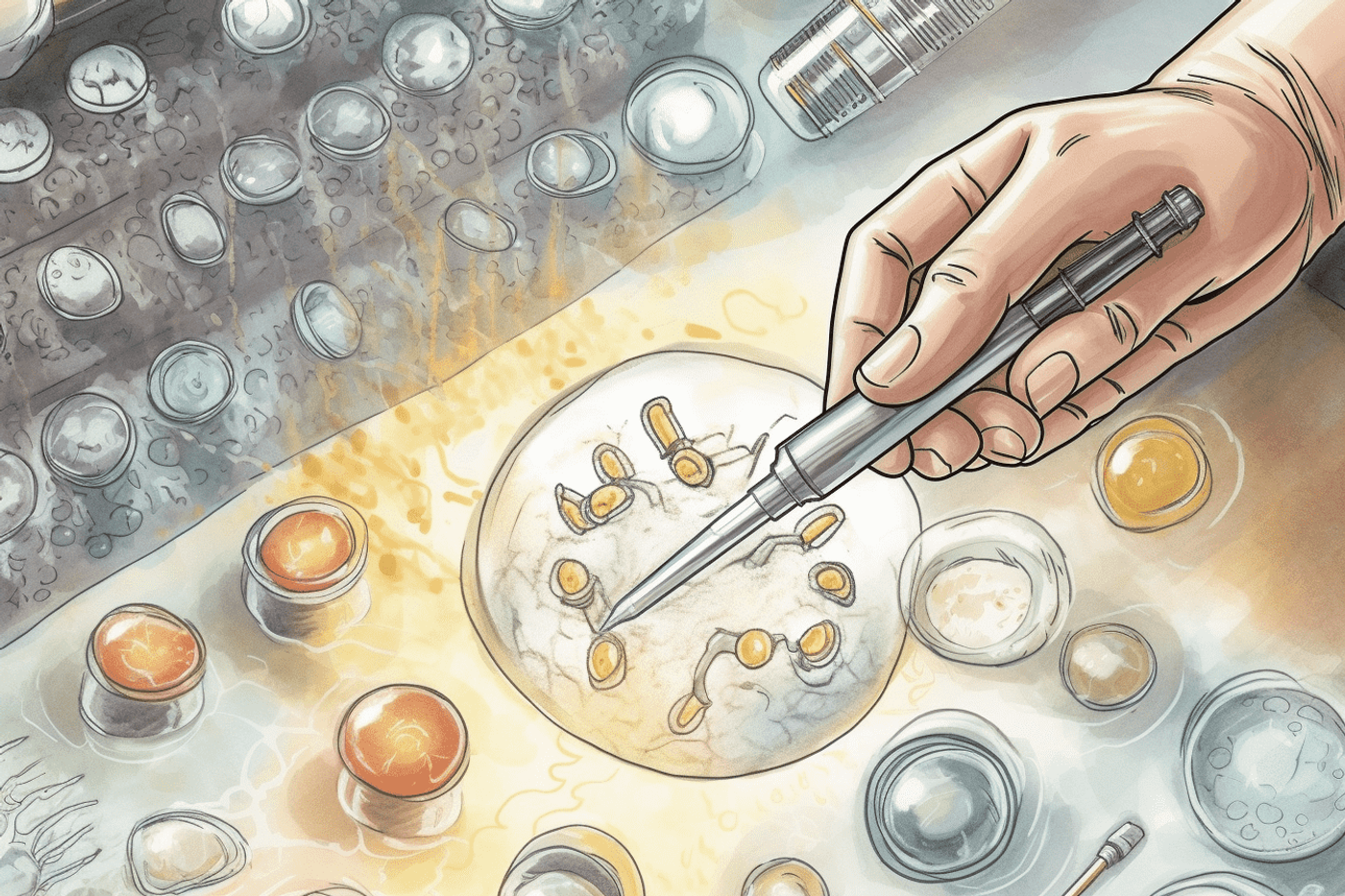
HSG & Invitro Fertilization Scientifically proven test to improve success rate of IVF.
HSG & Intrauterine Insemination Mandatory step to ensure there is a free path to the egg in IUI
Painfree Our highly experienced doctors will ensure the test is only as uncomfortable as period cramps.
Swift Test and Quicker Results Just 15 minutes. No general anesthesia. No hospitalization
140+
97%
250+ Procedures felt NO PAIN Happy Patients

Our HSG Test Center in
Bellandur, Bengaluru

Luxurious • Discrete • Comfortable
Spacious and Welcoming See on Maps
display-spacious-and-welcoming
Call Now
to book a slot

Why get an HSG Test?

hug

Increase Pregnancy

The test flushes the fallopian tubes increasing the chances of pregnancy.
money

Low Cost

This simple test can make the lakhs you spend in IVF and IUI worth it.
laugh

(Almost) Painfree

Our highly experienced doctors will ensure the test is only as uncomfortable as period cramps.
quiet

It's a secret

The results of the test are between the doctor and you. Zero judgement and guaranteed privacy to the rest of the world.
excited

No Waiting for Periods

Unlike other centers, our doctors can perform the test on any day of the menstrual cycle.
cool

Swift Test and Quicker Results

Just 15 minutes. No general anesthesia. No hospitalization

HSG Test cost in Bengaluru

Simple and Transparent Pricing. No hidden costs
Free Consultation

IUI - HSG Test

₹5,599 All inclusive
  • - Best test for intrauterine insemination
  • - Patient understandable results
  • - Medication costs included
  • - First 10 days of the menstrual cycle
FREE Consultation

IVF - HSG Test

₹6,599 All inclusive
  • - Best test for invitro fertilization
  • - Patient understandable results
  • - Medication costs included
  • - Pap smear test included
  • - First 10 days of the menstrual cycle
Who does the procedure?
Dr. Gayathri Priyadharshinee
MBBS • DNB • FRCR • 8+ years Dr. Gayathri Priyadharshinee is our in-house HSG Specialist. She has been trained in renowned centers like KMCH, Coimbatore and Royal College of Radiology, London, UK. She has been performing HSG Tests since June 2018 and has done 1500+ in just the last 12 months. Having her as an in-house specialist and her expertise is one of the main reasons why we are able to provide the HSG at such competitive prices.

What our customers say?

person-0
person-1
person-2
Mrs. Anjali, 27 High School Teacher
left-quote
right-quote
I was actually very nervous about my HSG test, but the doctor did an excellent job explaining everything and answering my questions. The test itself was quick and only caused a mild discomfort. The atmosphere in the center was really good. Made it easier

How is the HSG Test done?

The HSG test is a type of X-ray that we use to check if there are any problems in a woman's uterus or fallopian tubes. We inject a safe, high quality dye and watch how it flows through these areas to see if there are any blockages or issues. This test is done in the first half of a woman's period and doesn't take very long. It's an outpatient procedure, which means the patient can go home the same day. This information is particularly useful in fertility treatments like in vitro fertilization (IVF) and intrauterine insemination (IUI), where it can help doctors determine the most appropriate course of action.

When is the HSG Test done?

Visit the clinic

Her Care Scans

79/7, Bellandur Service Road, Near Xochi Restaurant, Bengaluru 560103 hello@hercare.in +91 8148340982

Why Choose Her Care?

team-doctors Doctors Always Available Morning, Afternoon or Evening. We are there
team-doctors Immediate Reports Reports within 10 minutes of scan
team-doctors Best Equipment State of the art equipment for best results
team-doctors Before and After Work

Call Now to book a slot

Know more about HSG Test

HSG test, or hysterosalpingogram, is <b>an X-ray</b> procedure that involves injecting a contrast dye into the uterus and fallopian tubes. The dye flows through the tubes, allowing doctors to see any blockages or abnormalities in them. This test is typically performed in the first half of a menstrual cycle, around day 7 to 10. It is an outpatient procedure that takes around 15 to 30 minutes.

Frequently Asked Questions

What is IUI? close
Intrauterine insemination (IUI) is a fertility treatment where sperm is directly placed into a woman's uterus to increase the chances of fertilization.
How is IUI performed? close
IUI involves a doctor inserting a thin, flexible catheter through the cervix and into the uterus. The sperm is then injected through the catheter into the uterus, near the time of ovulation.
How long does IUI take? close
The IUI procedure itself typically takes only a few minutes, but the entire process, including preparation and monitoring, can take several weeks.
Is IUI painful? close
IUI is usually not painful, although some women may experience mild discomfort during the procedure.
Can IUI improve fertility? close
Yes, IUI can improve fertility in couples where the man has a low sperm count, low sperm motility, or other sperm-related issues, or in cases of unexplained infertility.
How many IUI cycles should I have? close
The number of IUI cycles recommended will depend on various factors, such as the underlying cause of infertility, the age of the woman, and the couple's overall fertility status. Typically, a maximum of six IUI cycles is recommended before considering other fertility treatments.
What are the success rates of IUI? close
Success rates of IUI can vary widely depending on various factors, such as the age of the woman, the underlying cause of infertility, and the number of IUI cycles. On average, the success rate of IUI is around 10-20% per cycle.
What are the risks of IUI? close
The risks associated with IUI are generally low and include cramping, infection, and multiple pregnancies (i.e., twins or triplets).
What should I do to prepare for IUI? close
Your doctor will provide you with specific instructions on how to prepare for IUI, but generally, you will need to track your ovulation, abstain from sexual activity for a period before the procedure, and take medications to stimulate ovulation.
What should I expect after IUI? close
After IUI, you may experience mild cramping or spotting. Your doctor may also prescribe medications to support implantation and pregnancy. You will need to wait about two weeks before taking a pregnancy test to determine if the procedure was successful.
What is IVF? close
In vitro fertilization (IVF) is a fertility treatment where an egg is fertilized by sperm outside the body in a laboratory dish, and the resulting embryo is then transferred into the uterus.
How is IVF performed? close
IVF involves several steps, including ovarian stimulation, egg retrieval, sperm retrieval, fertilization in a laboratory dish, and embryo transfer into the uterus.
How long does IVF take? close
The entire IVF process, including preparation and monitoring, can take several weeks to months. The egg retrieval and embryo transfer procedures typically take only a few minutes.
Is IVF painful? close
IVF can be uncomfortable, but it is usually not painful. Some women may experience mild cramping, bloating, or breast tenderness during ovarian stimulation or after egg retrieval.
Can IVF improve fertility? close
Yes, IVF can improve fertility in couples where other fertility treatments have failed or in cases of severe male factor infertility, tubal factor infertility, or unexplained infertility.
What are the success rates of IVF? close
Success rates of IVF can vary widely depending on various factors, such as the age of the woman, the underlying cause of infertility, and the number of IVF cycles. On average, the success rate of IVF is around 30-40% per cycle.
What are the risks of IVF? close
The risks associated with IVF include ovarian hyperstimulation syndrome, multiple pregnancies, ectopic pregnancy, and bleeding or infection after egg retrieval or embryo transfer.
What should I do to prepare for IVF? close
Your doctor will provide you with specific instructions on how to prepare for IVF, but generally, you will need to take medications to stimulate ovulation, attend monitoring appointments, and avoid certain activities, such as smoking and heavy exercise.
What should I expect after IVF? close
After IVF, you may experience mild cramping, spotting, or bloating. Your doctor may also prescribe medications to support implantation and pregnancy. You will need to wait about two weeks before taking a pregnancy test to determine if the procedure was successful.
How many IVF cycles should I have? close
The number of IVF cycles recommended will depend on various factors, such as the underlying cause of infertility, the age of the woman, and the couple's overall fertility status. Typically, a maximum of six IVF cycles is recommended before considering other fertility treatments.